Are Sunflower Seeds Healthy? Top 10 Science-Backed Benefits Revealed

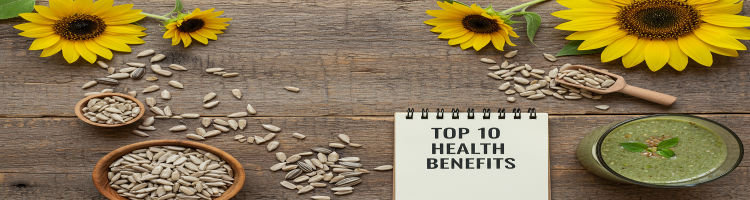
Are Sunflower Seeds Healthy? Top 10 Science-Backed Benefits Revealed
Sunflower seeds have long been a popular snack around the world—roasted, salted, or sprinkled over salads and smoothie bowls. But beyond their nutty flavor and satisfying crunch, sunflower seeds offer a wealth of health benefits that are increasingly being recognized by nutritionists and researchers alike.
So, are sunflower seeds healthy?
Absolutely. Backed by science, sunflower seeds are a powerhouse of nutrients including healthy fats, plant-based protein, fiber, vitamins, and antioxidants. In this article, we’ll explore the top 10 health benefits of sunflower seeds and why they deserve a regular place in your diet.
Nutritional Overview: What’s Inside Sunflower Seeds?
Before diving into the benefits, let’s take a quick look at the nutritional composition of sunflower seeds (per 1 oz or 28 grams, shelled):
| Nutrient | Amount |
|---|---|
| Calories | ~165 |
| Protein | 5.5g |
| Healthy fats | 14g |
| Carbohydrates | 6g |
| Fiber | 2.4g |
| Vitamin E | 37% DV |
| Magnesium | 9% DV |
| Selenium | 32% DV |
| Copper | 26% DV |
| Phytosterols | High |
These seeds are rich in healthy fats (mostly polyunsaturated), plant-based protein, fiber, and key vitamins and minerals.
Top 10 Science-Backed Benefits of Sunflower Seeds
1. Supports Heart Health
Sunflower seeds are a heart-friendly snack thanks to their healthy fats, fiber, and antioxidants. They contain:
-
Vitamin E – a powerful antioxidant that helps prevent oxidative damage to arteries
-
Magnesium – known to help regulate blood pressure
-
Phytosterols – plant compounds that reduce cholesterol absorption
Study Spotlight: A study in the Journal of Agricultural and Food Chemistry found that sunflower seeds may help lower LDL (bad cholesterol) and increase HDL (good cholesterol) levels.
2. Boosts Immune Function
Sunflower seeds are a great source of vitamin E, selenium, and zinc—three nutrients crucial for maintaining a strong immune system.
-
Selenium boosts the body’s defense against infection by increasing white blood cell activity.
-
Zinc supports immune cell development and wound healing.
Research Insight: According to the National Institutes of Health, even mild zinc deficiency can impair immune function, especially in older adults.
3. Supports Brain and Mood Health
The seeds are rich in magnesium, vitamin B6, and tryptophan, which support neurotransmitter function and brain health.
-
Magnesium can help reduce anxiety and improve mood.
-
Tryptophan, an amino acid, is a precursor to serotonin, your “feel-good” hormone.
-
Vitamin B6 helps synthesize dopamine and GABA.
Fun Fact: Low magnesium is often linked to increased risk of depression and mood disorders.
4. May Reduce Inflammation
Chronic inflammation is linked to many diseases, including arthritis, diabetes, and cardiovascular disease. Sunflower seeds contain:
-
Vitamin E – known for anti-inflammatory properties
-
Flavonoids and phenolic acids – plant-based antioxidants that fight oxidative stress
Clinical Data: A 6-week study published in Nutrition Research and Practice showed that daily intake of sunflower seeds reduced markers of inflammation (like C-reactive protein) in women with type 2 diabetes.
5. Helps Regulate Blood Sugar Levels
Despite being calorie-dense, sunflower seeds have a low glycemic index (GI) and are high in fiber and protein, which help slow down sugar absorption in the bloodstream.
-
They can help prevent blood sugar spikes
-
Especially useful for people with insulin resistance or type 2 diabetes
Tip: Sprinkle them over Greek yogurt or oatmeal to add blood sugar–stabilizing power to your breakfast.
6. Promotes Healthy Skin and Hair
Want glowing skin and shiny hair? Sunflower seeds deliver key nutrients for beauty from the inside out:
-
Vitamin E protects skin cells from sun damage and aging
-
Biotin and selenium support hair growth and scalp health
-
Zinc reduces acne-causing inflammation
Pro Tip: Add sunflower seed butter to smoothies for a skin-friendly nutrient boost.
7. Supports Hormonal Balance
Thanks to their rich content of vitamin E, magnesium, and essential fatty acids, sunflower seeds can support hormonal regulation, especially in women.
-
May help alleviate PMS symptoms (cramps, fatigue, mood swings)
-
Essential fats aid in the production of sex hormones
Cycle Syncing Trend: Many wellness enthusiasts use sunflower seeds during the luteal phase (days 15–28) to support progesterone levels.
8. Aids in Weight Management
While high in calories, sunflower seeds can still be a smart snack for weight loss or maintenance when eaten in moderation:
-
High in protein and fiber → helps you feel full longer
-
Rich in healthy fats → reduces cravings and stabilizes energy
-
Low in net carbs → suitable for low-carb and keto diets
Note: Stick to a 1–2 tablespoon serving if you’re watching your calorie intake.
9. Strengthens Bones and Muscles
Sunflower seeds are a good source of magnesium, phosphorus, and protein, all essential for bone density and muscle repair.
-
Magnesium helps with calcium absorption
-
Phosphorus supports strong teeth and bones
-
Protein aids in muscle recovery post-exercise
Fitness Tip: Add a handful of sunflower seeds to your post-workout smoothie or yogurt bowl.
10. May Help Prevent Certain Cancers
Several nutrients in sunflower seeds—especially selenium, vitamin E, and antioxidants—may play a protective role against cancer.
-
Selenium helps repair DNA and slows tumor growth
-
Vitamin E fights oxidative damage that can lead to cancer
Emerging Research: Animal studies have shown that diets enriched with sunflower seeds reduced the risk of colon and prostate cancer. Human trials are ongoing.
Are There Any Downsides?
While sunflower seeds are healthy, moderation and quality matter:
1. High in Calories
They are calorie-dense, so avoid overeating if you’re managing your weight.
2. Salt Content
Many roasted sunflower seeds are heavily salted—opt for unsalted or lightly salted versions to avoid excess sodium.
3. Risk of Contaminants
Improperly stored seeds may contain aflatoxins, a type of mold toxin. Always buy from reputable brands.
4. Allergies
Although rare, some people are allergic to sunflower seeds. Watch for reactions if you’re trying them for the first time.
How to Add Sunflower Seeds to Your Diet
Here are some tasty, creative ways to enjoy sunflower seeds:
-
Sprinkle on oatmeal, yogurt, or smoothie bowls
-
Toss into salads for a crunchy protein boost
-
Bake into breads, muffins, or granola bars
-
Stir into soups or stews for added texture
-
Try sunflower seed butter as a peanut butter alternative
-
Add to dark chocolate bark or energy bites
Serving suggestion: 1 to 2 tablespoons per day is enough to get the benefits without overdoing calories.
Raw vs. Roasted: Which Is Better?
| Type | Pros | Cons |
|---|---|---|
| Raw | No added salt or oil, higher in nutrients | May taste bland to some |
| Dry-roasted | Tasty and crunchy, still healthy | Can contain added salt/oil |
| Oil-roasted | More flavorful | Often higher in unhealthy fats |
Best Option: Choose dry-roasted, unsalted seeds or raw seeds you roast at home.
FAQ: Common Questions About Sunflower Seeds
Q: Are sunflower seeds good for diabetics?
Yes! They help regulate blood sugar and improve insulin sensitivity due to their fiber and healthy fat content.
Q: Can I eat sunflower seeds daily?
Yes, as long as you control portion sizes (1–2 tbsp/day is ideal).
Q: Are sunflower seeds keto-friendly?
Yes! They’re low in net carbs and high in fat and protein—perfect for keto diets.
Q: Are sunflower seeds safe during pregnancy?
Absolutely. They provide folate, magnesium, and vitamin E—great nutrients for expectant mothers.
Final Thoughts: Are Sunflower Seeds Healthy?
Absolutely yes!
Sunflower seeds are nutrient-packed powerhouses that support heart health, immunity, skin glow, and more. Backed by science and easily incorporated into your diet, they deserve a spot in your pantry.
Whether you’re aiming to boost your health, manage weight, or improve mood and focus, sunflower seeds are a simple, affordable superfood that delivers results.
TL;DR – Quick Summary
-
✅ High in protein, fiber, and healthy fats
-
✅ Rich in vitamin E, selenium, and magnesium
-
✅ Supports heart, brain, immune system, and skin
-
✅ Great for blood sugar control and weight loss
-
Eat in moderation to avoid excess calories